QuestionAverage order, shipping included?
QuestionAverage score (1–5)?
QuestionAny suspicious charges?
Finding an answer isn't hard any more. Articles, videos, AI — and plenty of free courses — can quickly hand you a clear next step.
But if all you take away is a ready-made playbook, a change in context can make it useless. And if you only need the immediate result, a consultant or contractor may be the more efficient choice.
HtPi classes are after something else: not just dealing with the problem in front of you, but cutting through the noise to take apart the structure, judgement and methods behind it. After class, even when the problem changes shape, you still know where to begin, what to look for, and how to adjust. And if one class isn't enough, the 1:1 Studio picks up where the class leaves off — or subscribe to HtPi and keep working through the interactive essays.
In class, you are not there to watch. Bring your own questions, experience, or even an idea that has not fully taken shape yet. Small groups, active participation, hands-on work.
What you leave with is no longer a trick or two, but methods you can keep using, connect with one another, and multiply with what you already know.
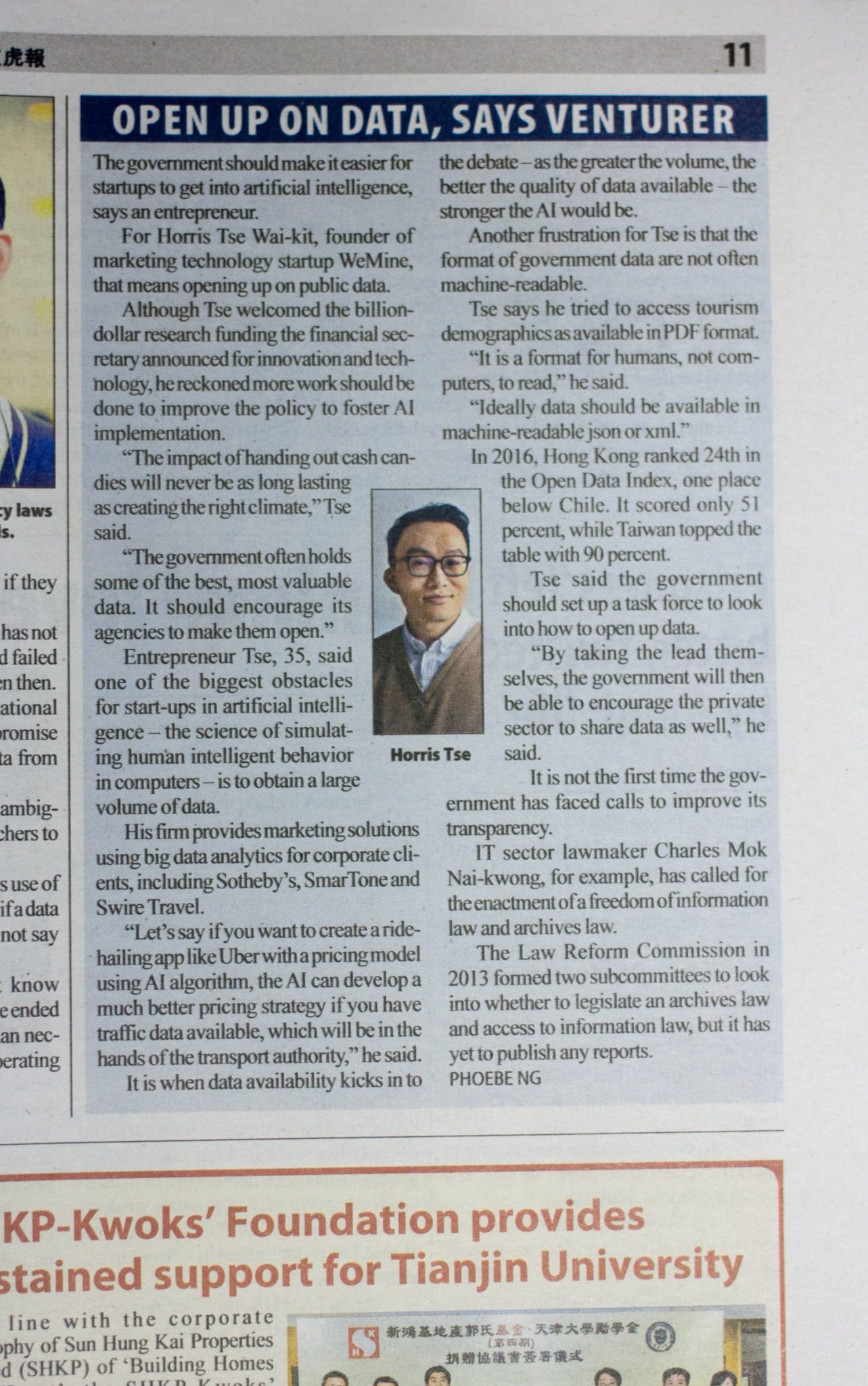
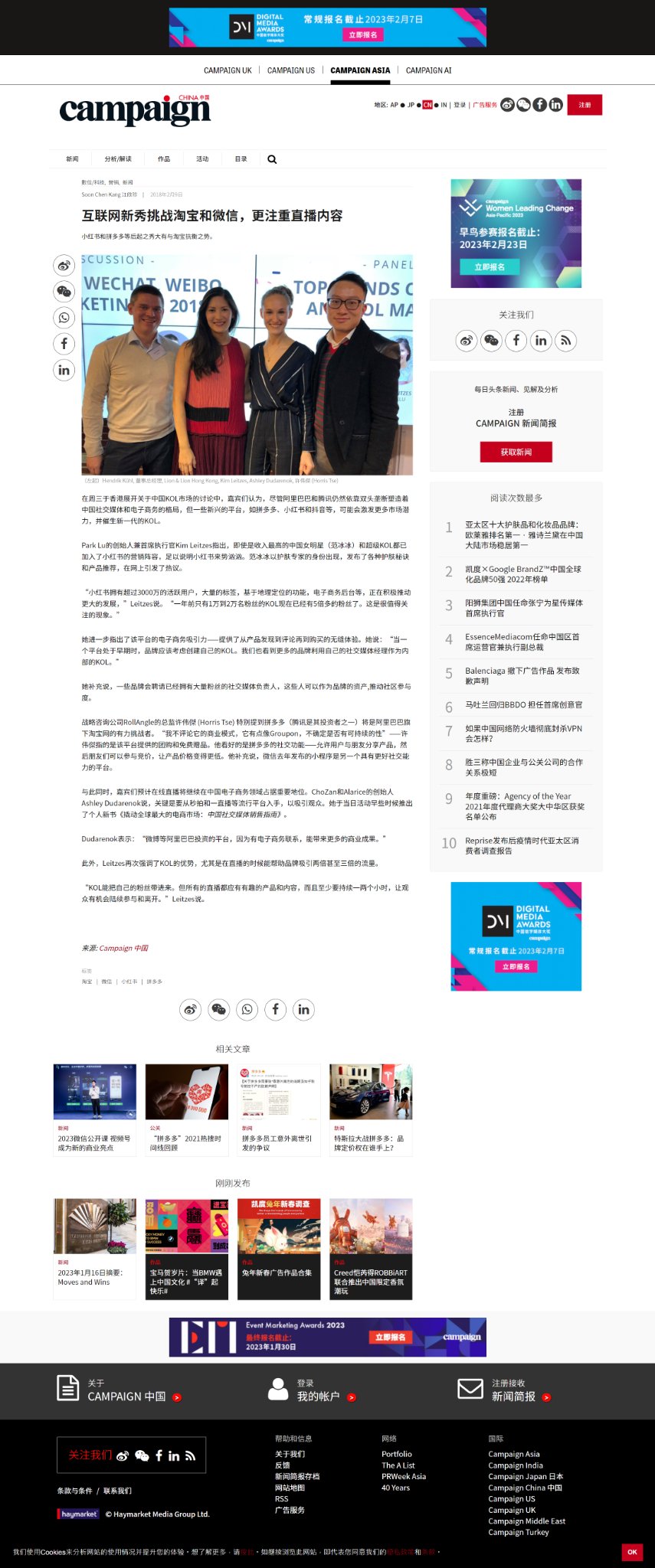
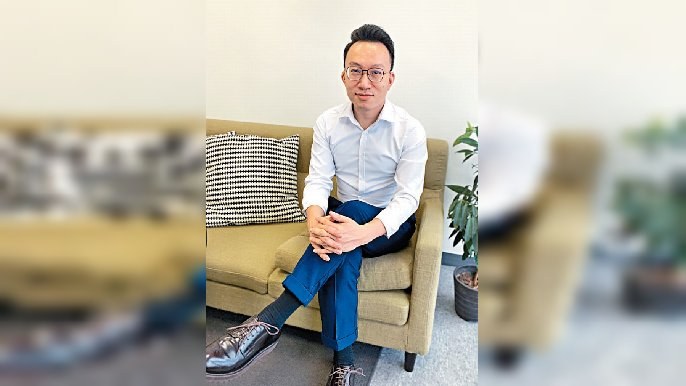
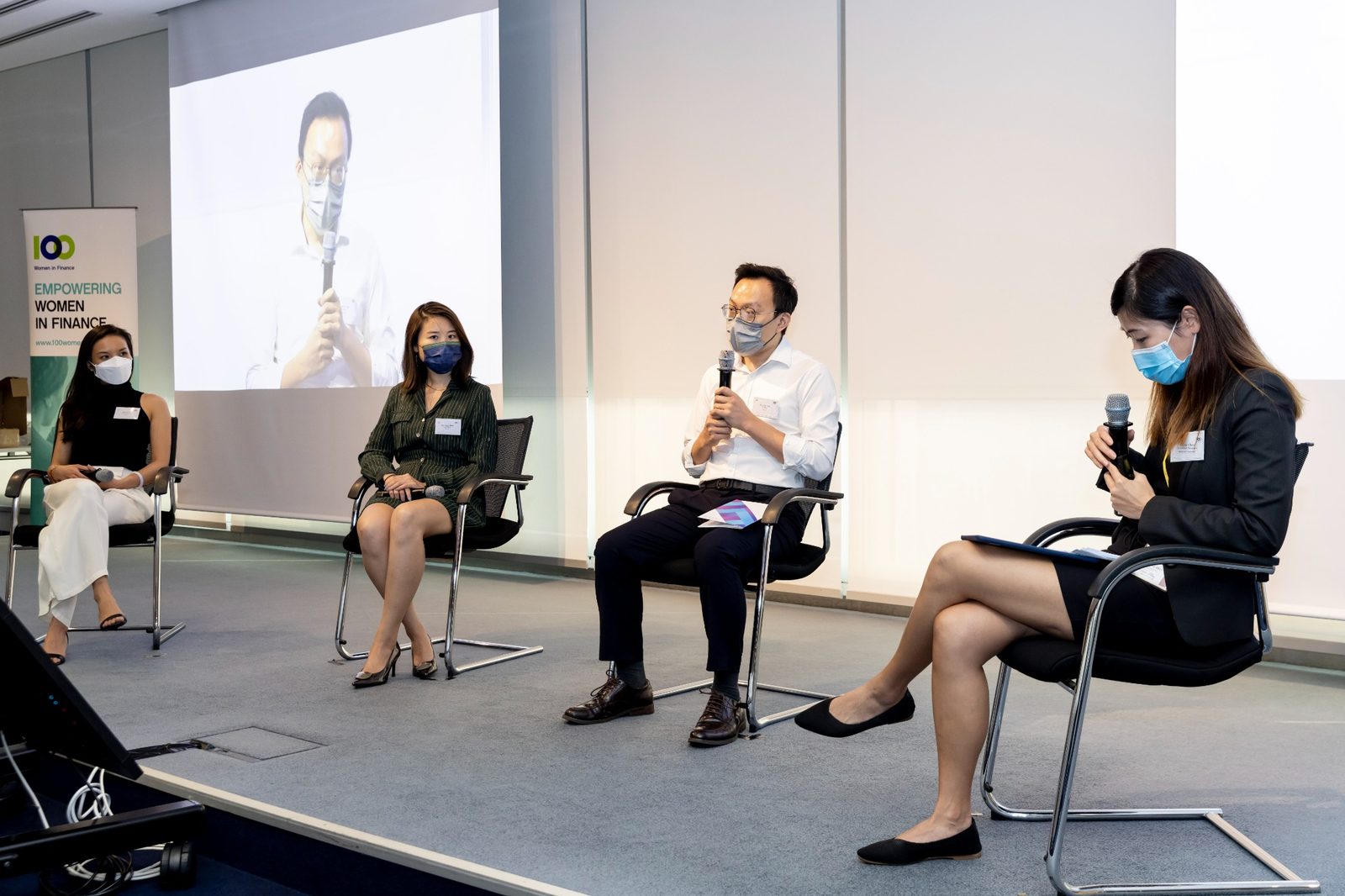
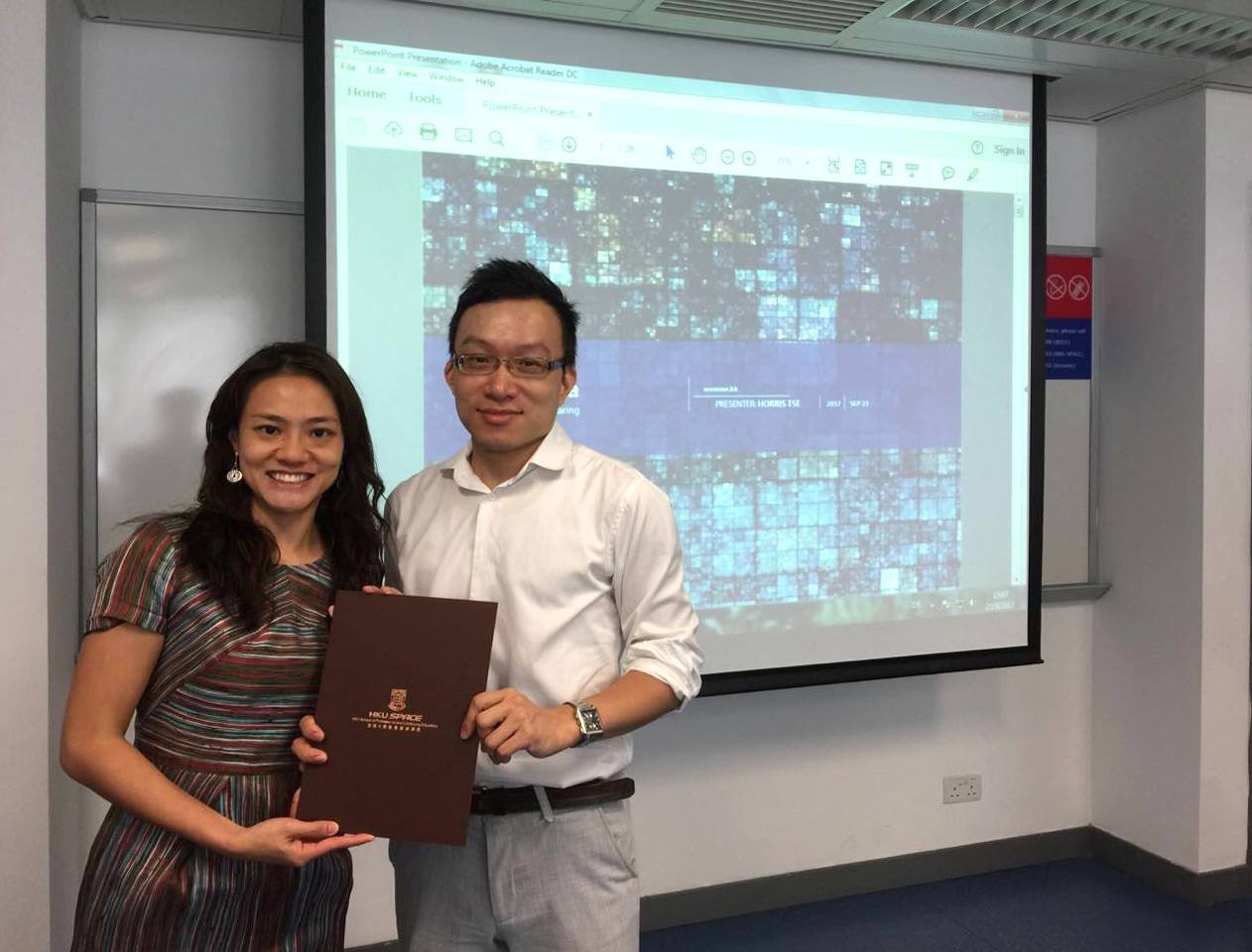
Over the years, Horris has spoken on data, technology, AI and digital transformation — at universities, professional bodies and industry events. A partial record follows.
FORTUNE INSIGHT
THE STANDARD
CAMPAIGN ASIA
SING TAO
Every class is designed by Horris Tse — the content, the pacing, and how the hands-on parts work. Most classes he teaches himself; some runs invite a guest instructor, or are co-taught.
Whoever leads the room, the curriculum, materials and way of teaching are stated plainly on the class page.
Room enough that questions aren’t passed over.
Not just listening — asking, trying, trading views.
Real tools and real cases — limits and trade-offs included.
Materials stay after class; keep following the question — one sign-in across htpi.me.
Small by design — the size where every question is heard, and every screen that needs seeing gets seen.
Seat counts, length and format are set per class, and each class page states its own. Venues vary too — Kwun Tong most often, sometimes Sheung Wan. Wherever it is: tables, power, and enough quiet to think.
I use Google analytics and ad-measurement cookies — on by default — to see what gets read and whether ads work. Decline removes them, leaving only cookie-free, non-identifying statistics. See the Privacy Policy. I use Google analytics and ad measurement. Cookies are set only if you accept — until then Google receives only cookie-free, non-identifying statistics. See the Privacy Policy.